

Introduction
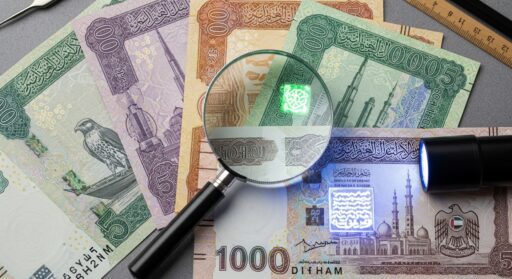
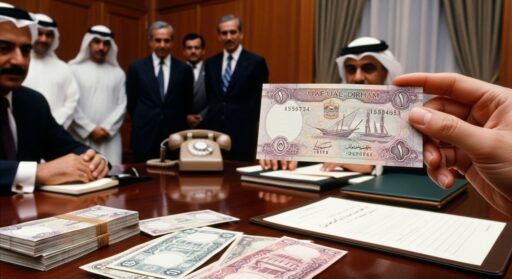
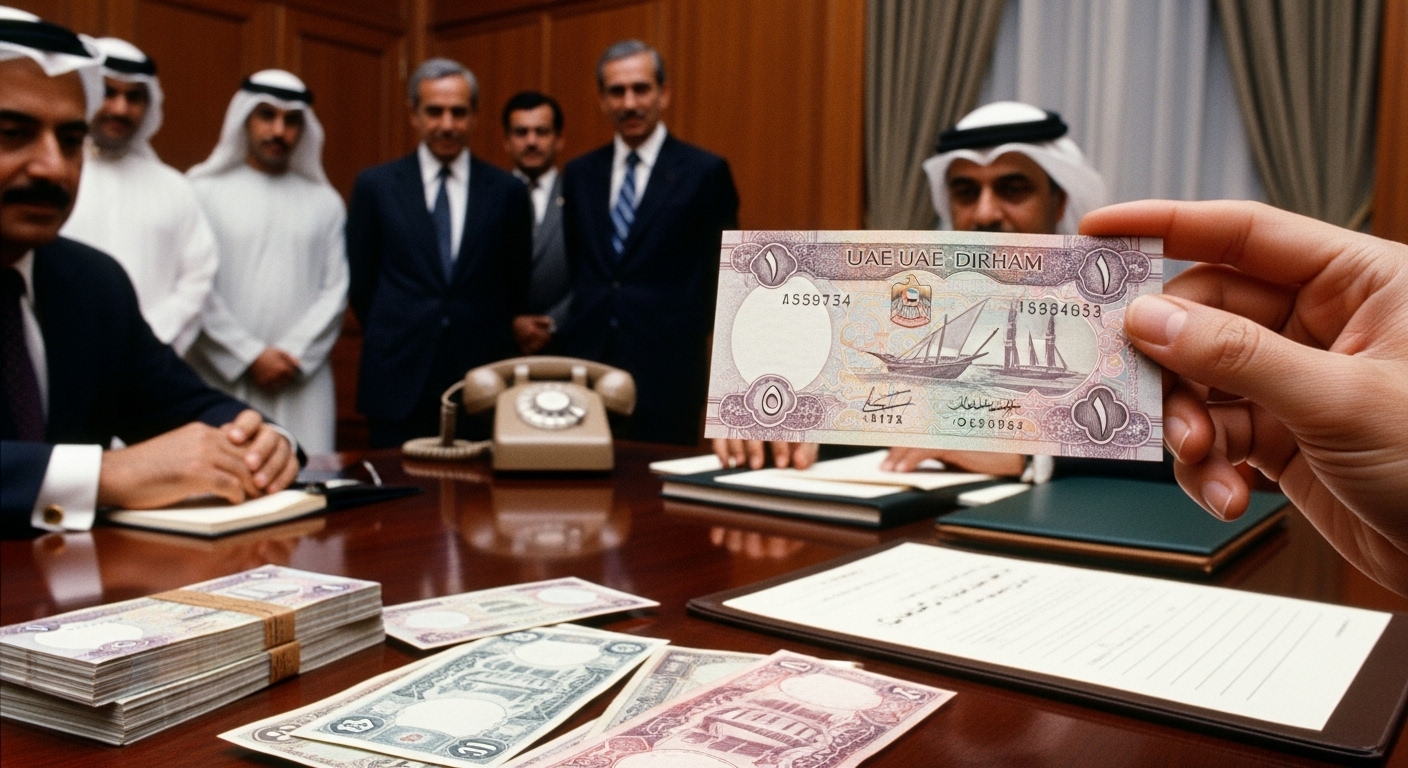
The birth of the UAE Dirham on May 19, 1973, was one of the most significant and symbolic acts of the nascent federation. Just two years after political union, the introduction of a single, unified currency was a bold declaration of economic unity and a powerful practical step towards building a cohesive modern state. Replacing the Qatar-Dubai Riyal and the Bahraini Dinar that were in use, the creation of the dirham was a complex undertaking that required immense political will and technical coordination. This article explores the process, the challenges, and the profound national significance of launching a currency that would become a daily reminder of the union for every citizen.
History
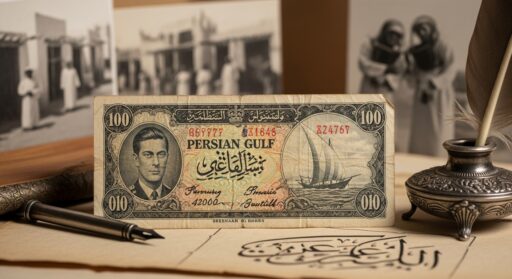
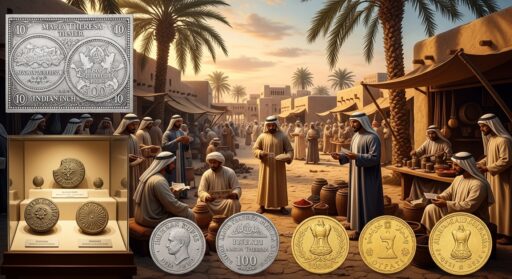
Following the devaluation of the Gulf Rupee in 1966, the Trucial States faced a monetary vacuum. In response, Qatar and Dubai formed a currency union and introduced the Qatar-Dubai Riyal (QRD) in 1966, while Abu Dhabi used the Bahraini Dinar. When the UAE was formed in 1971, this monetary division posed a problem for federal unity. How could a nation function with two different currencies in circulation? The provisional constitution granted the federal government exclusive authority over currency, making a unified monetary system a top priority. The UAE Currency Board was established in 1973 to manage this transition. After meticulous planning, the new UAE Dirham was introduced at a rate of 1 Dirham = 0.1 QRD = 0.1 Bahraini Dinar, ensuring a smooth and predictable conversion for the public.
Key Features
The launch of the UAE Dirham was characterized by several foundational features:
- The UAE Currency Board: Preceding the Central Bank, this independent body was established to issue the new currency, manage the country’s currency reserves, and ensure monetary stability.
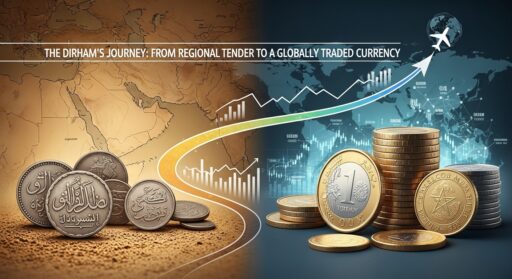
- Fixed Exchange Rate: From its inception, the Dirham was pegged to the International Monetary Fund’s Special Drawing Rights (SDR), a basket of major currencies. This peg provided immediate stability and credibility in international markets. In 1997, the peg was changed to a fixed rate of 1 USD = 3.6725 AED, a rate that has remained unwavering ever since.
- Phased Introduction: The changeover was not abrupt. The QRD and Bahraini Dinar continued to circulate alongside the new dirham for a brief period to allow for a gradual withdrawal, minimizing public disruption.
- Federal Authority: The currency was issued in the name of the United Arab Emirates, not any individual emirate. The notes and coins featured both Arabic and English, symbolizing the nation’s dual identity as an Arab state and a global hub.
Cultural Significance
The introduction of the dirham was a powerful, tangible symbol of the fledgling federation. For the first time, a citizen of Abu Dhabi, a merchant in Dubai, and a farmer in Ras Al Khaimah all used the same money. This daily, practical experience of using a common currency fostered a sense of shared economic destiny and national belonging. It was a physical manifestation of the “United” in United Arab Emirates, building trust in the federal project and reducing the economic barriers between the emirates. The currency became a symbol of stability and modernity, replacing the memory of the volatile Gulf Rupee with a reliable instrument of national sovereignty.
Modern Relevance
The successful launch of the dirham laid the essential groundwork for the UAE’s subsequent economic miracle. The fixed peg to the US Dollar has provided a bedrock of stability that has been critical for attracting foreign investment, facilitating international trade, and maintaining low inflation. It removed exchange rate risk for businesses operating across the emirates and provided a predictable environment for long-term planning. The Currency Board’s evolution into the Central Bank of the UAE in 1980 further strengthened the monetary system, giving it the tools to regulate the banking sector, manage liquidity, and act as a lender of last resort. The dirham’s stability is now a cornerstone of the UAE’s global brand as a safe and reliable place to do business.
Conclusion
The birth of the UAE Dirham was a masterstroke of nation-building. It was a project that required not just economic expertise but profound political consensus. By successfully unifying its monetary policy, the UAE avoided the internal trade frictions and economic disparities that have plagued other federations. The humble dirham, passed from hand to hand in every transaction, became, and remains, a silent but constant ambassador of unity, a daily reaffirmation of the wisdom and vision of the UAE’s founders. It proved that true union is not just political, but deeply economic, woven into the very fabric of daily life.