

Introduction
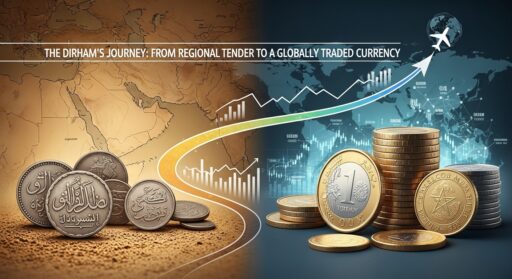
A national currency is more than just a medium of exchange; it is a canvas upon which a country paints its identity, values, and aspirations. The banknotes of the UAE Dirham are a carefully curated gallery of national symbols, telling the story of the nation’s past, present, and future to anyone who holds them. From the iconic images of the late Sheikh Zayed bin Sultan Al Nahyan to the depictions of modern architectural marvels, the design of the dirham is a deliberate and evolving project in visual storytelling. This article delves into the artistry, symbolism, and sophisticated security features that make UAE banknotes both a source of national pride and a technologically secure instrument.
History
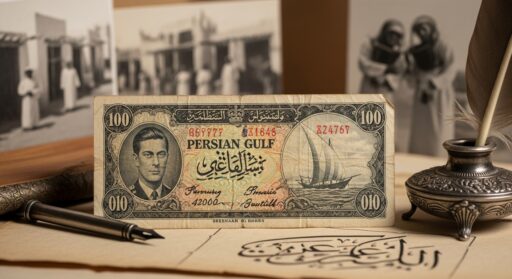
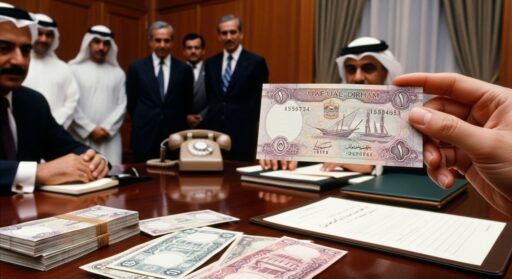
The first series of UAE banknotes, issued in 1973, was relatively simple, featuring national emblems like the falcon and local scenes of trade and industry. As the nation grew in confidence and global stature, so did the ambition of its currency design. Subsequent series, particularly from the 1980s onwards, began to incorporate more complex imagery and enhanced security features. A major evolution occurred with the issue of new notes in the 2000s and the polymer 50-dirham note in 2022, which featured advanced, world-class security technologies. The design process is a collaborative effort involving the Central Bank of the UAE, renowned security printing firms, and cultural advisors to ensure historical accuracy and cultural resonance.
Key Features
The design of UAE banknotes is a blend of symbolic artistry and cutting-edge technology:
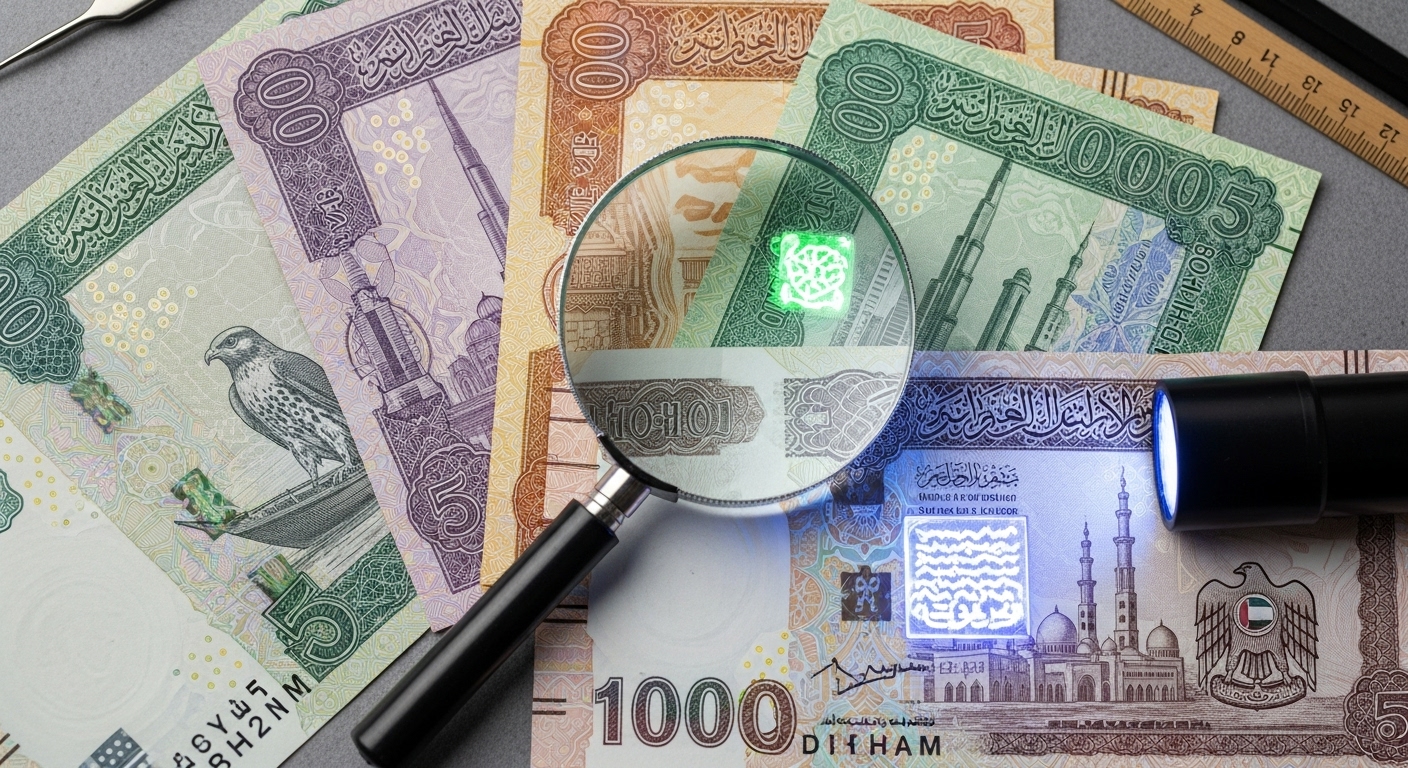
- National Symbols: The most consistent feature is the image of the “Father of the Nation,” Sheikh Zayed bin Sultan Al Nahyan, on the obverse of most notes, a constant reminder of the nation’s founder. The UAE national emblem—a golden falcon with a disk in the center showing the UAE flag and seven stars representing the seven emirates—is also prominently featured.
- Cultural and Economic Narratives: The reverse of the notes depict a rich tapestry of Emirati life and achievement. Images include traditional dhows, historic forts (like Al Jahili), modern landmarks (like the Burj Khalifa and Sheikh Zayed Grand Mosque), and symbols of industry and sport.
- Advanced Security Features: To combat counterfeiting, the notes incorporate a host of security elements. These include intaglio printing (raised print you can feel), watermarks, security threads, holographic stripes, colour-shifting ink, and micro-printing. The polymer 50-dirham note includes a transparent window with a dynamic, holographic feature.
- Accessibility: The notes are designed with the visually impaired in mind, featuring varying sizes and tactile marks to help distinguish different denominations.
Cultural Significance
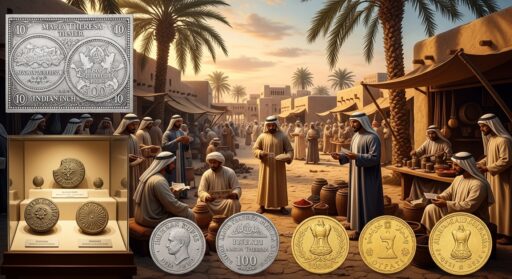
UAE banknotes serve as portable museums, educating both citizens and the world about the nation’s journey. The juxtaposition of a traditional dhow and a modern port on the same note powerfully communicates the UAE’s unique story of embracing the future without forgetting the past. Holding a dirham note is to hold a piece of national heritage. It reinforces a shared identity, reminding users of their common history, their unifying leader, and their collective achievements. The choice of imagery is a deliberate act of self-representation, projecting an image of a nation that is both deeply rooted in its culture and ambitiously forward-looking.
Modern Relevance
In an increasingly digital and cashless world, the design and security of physical currency remain critically important. The Central Bank’s commitment to incorporating the latest anti-counterfeiting technologies ensures the integrity of the monetary system and maintains public trust in the dirham. Furthermore, the design of the currency plays a role in the UAE’s soft power. As tourists and business visitors use the dirham, the imagery on the notes shapes their perception of the country, telling a story of stability, modernity, and rich culture. The recent introduction of polymer notes also speaks to a modern relevance in terms of durability and sustainability, as they last significantly longer than paper notes, reducing environmental waste.
Conclusion
The design of the UAE Dirham is a sophisticated fusion of art, technology, and propaganda in the best sense of the word. It is a continuous, evolving project that reflects the nation’s dynamic spirit. More than just facilitating trade, each banknote is a miniature billboard for the UAE’s national brand, a secure and beautiful object that carries the weight of history and the promise of the future. In every transaction, the dirham does not just transfer economic value; it silently and persistently reinforces the narrative of a united, prosperous, and visionary nation.