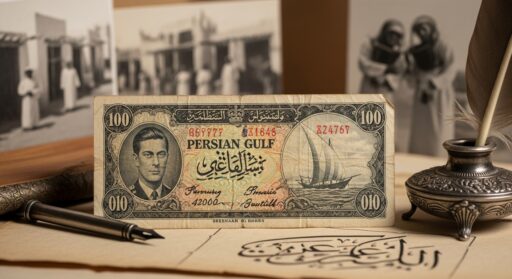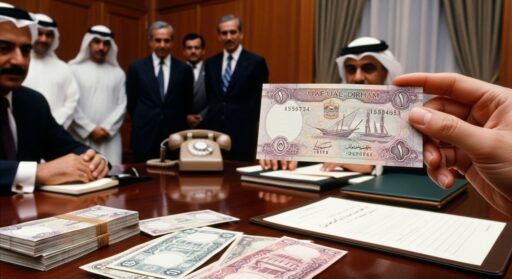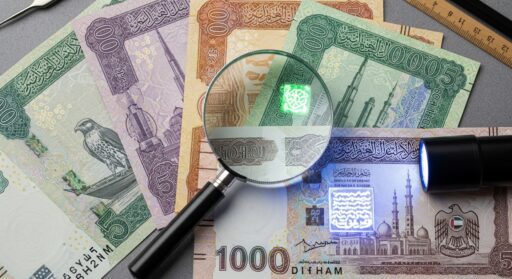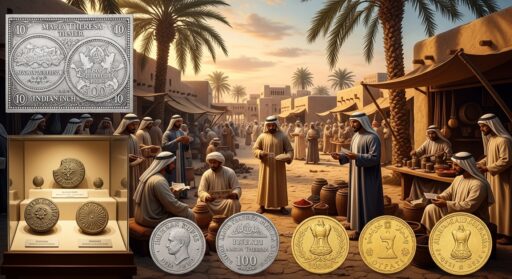

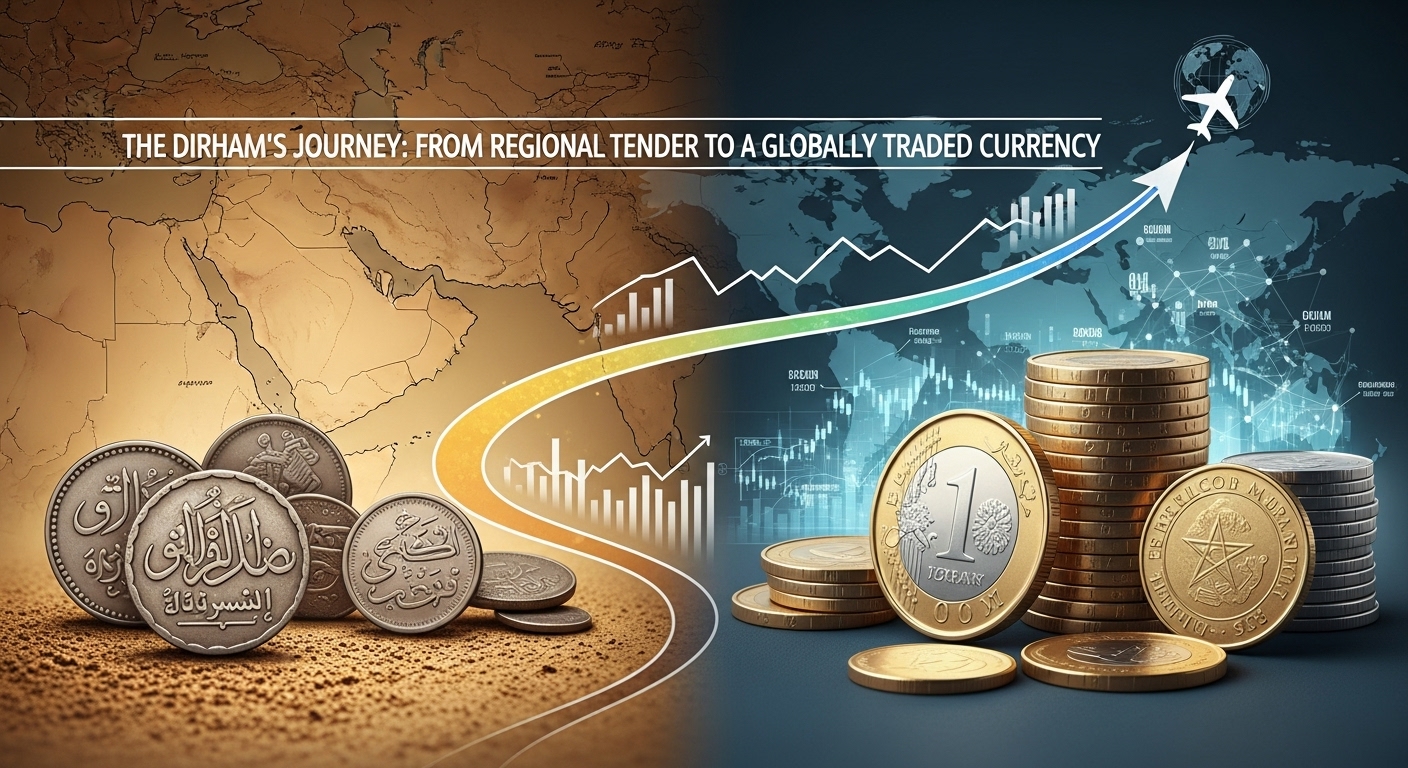

Since its introduction in 1973, the UAE Dirham has embarked on a remarkable journey. It began as a practical tool for unifying a fledgling federation’s economy, a regional tender used primarily within the country’s borders. Today, it has evolved into a currency of global significance, widely traded, trusted, and held in reserves around the world. The dirham’s journey from a symbol of national unity to an instrument of international finance is a story of the UAE’s own meteoric rise on the global stage, reflecting its economic clout, political stability, and strategic role as a hub of global trade and finance.
History
In its first two decades, the dirham’s role was largely domestic, establishing itself as a stable and reliable replacement for the previous fragmented monetary system. Its international journey began in earnest as the UAE’s economy, powered by oil and gas exports, began to generate massive surpluses. The dirham’s fixed peg to the US Dollar, established early on and maintained with unwavering discipline, provided the bedrock of its international credibility. As Dubai grew into a global trade and tourism hub, the dirham became the currency of choice for a massive influx of international businesses, tourists, and expatriate workers, who began remitting funds in dirhams, increasing its circulation and recognition abroad.
Key Features
The dirham’s status as a globally traded currency is underpinned by several key features:
- The Fixed Peg: The unwavering peg of 3.6725 AED to 1 USD is the cornerstone of the dirham’s international appeal. It eliminates exchange rate risk for foreign investors and traders dealing with the UAE, making it a predictable and safe currency for international contracts.
- Full Convertibility: The UAE Dirham is a fully convertible currency. There are no restrictions on its exchange or its movement across borders, which is essential for a country that hosts a vast international community and is a major hub for capital flows.
- Liquidity in Forex Markets: The dirham is one of the most traded currencies in the Middle East and is actively traded in global foreign exchange markets. Its liquidity ensures that businesses and financial institutions can easily buy and sell large amounts of dirhams without significantly affecting its price.
- Reserve Currency Status: While not on the scale of the US Dollar or Euro, several central banks, particularly in the region, hold UAE Dirhams as part of their foreign exchange reserves. This is a vote of confidence in the currency’s stability and the UAE’s economy.
Cultural Significance
The international acceptance of the dirham is a source of immense national pride. It signifies that the world trusts the UAE’s economic management and political stability. For Emiratis, seeing their currency accepted in international transactions or listed on global forex screens alongside the dollar, euro, and yen is a tangible marker of their country’s arrival as a respected global player. It represents a shift from a time when their economy was dependent on foreign currencies to a time when their own currency is a sought-after instrument of global commerce.
Modern Relevance
The dirham’s global role is more critical than ever. As the UAE diversifies its economy into sectors like fintech, renewable energy, and space, the stability of its currency continues to be a key factor in attracting foreign direct investment. The dirham is also at the heart of the UAE’s ambitions to become a global hub for Islamic finance and a center for cryptocurrency and blockchain innovation. The government’s exploration of a Central Bank Digital Currency (CBDC) for the dirham is a forward-looking step that could further enhance its efficiency and global reach. In a volatile global economy, the dirham’s rock-solid stability offers a safe haven for regional capital and reinforces the UAE’s position as a pillar of economic resilience.
Conclusion
The journey of the UAE Dirham is a parallel narrative to the journey of the UAE itself. It began as a necessary tool for internal cohesion and has grown into a respected symbol of external strength. Its path from a new, untested currency to a globally traded and trusted tender is a testament to five decades of sound macroeconomic policy, political stability, and visionary leadership. The dirham is not just money; it is a metric of the nation’s success. Its continued strength and international acceptance will be crucial as the UAE navigates the complexities of the 21st-century global economy and secures its prosperity for the next fifty years and beyond.