

Introduction
Long before the familiar notes of the UAE Dirham entered circulation, the peoples of the Trucial States engaged in complex trade using a fascinating and diverse array of currencies. The history of money in this region is a mirror reflecting its broader economic history: a story of cross-cultural exchange, colonial influence, and adaptation. From the barter systems of the interior to the silver coins of global empires that washed up on its shores, the monetary landscape was a fragmented tapestry. Understanding this pre-dirham era is essential to appreciating the profound significance of a unified national currency as a cornerstone of the fledgling UAE’s identity and sovereignty.
History
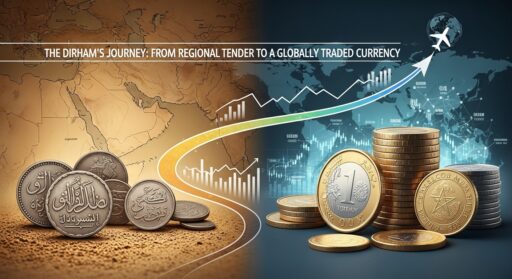
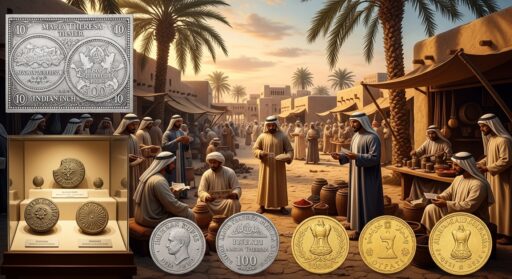
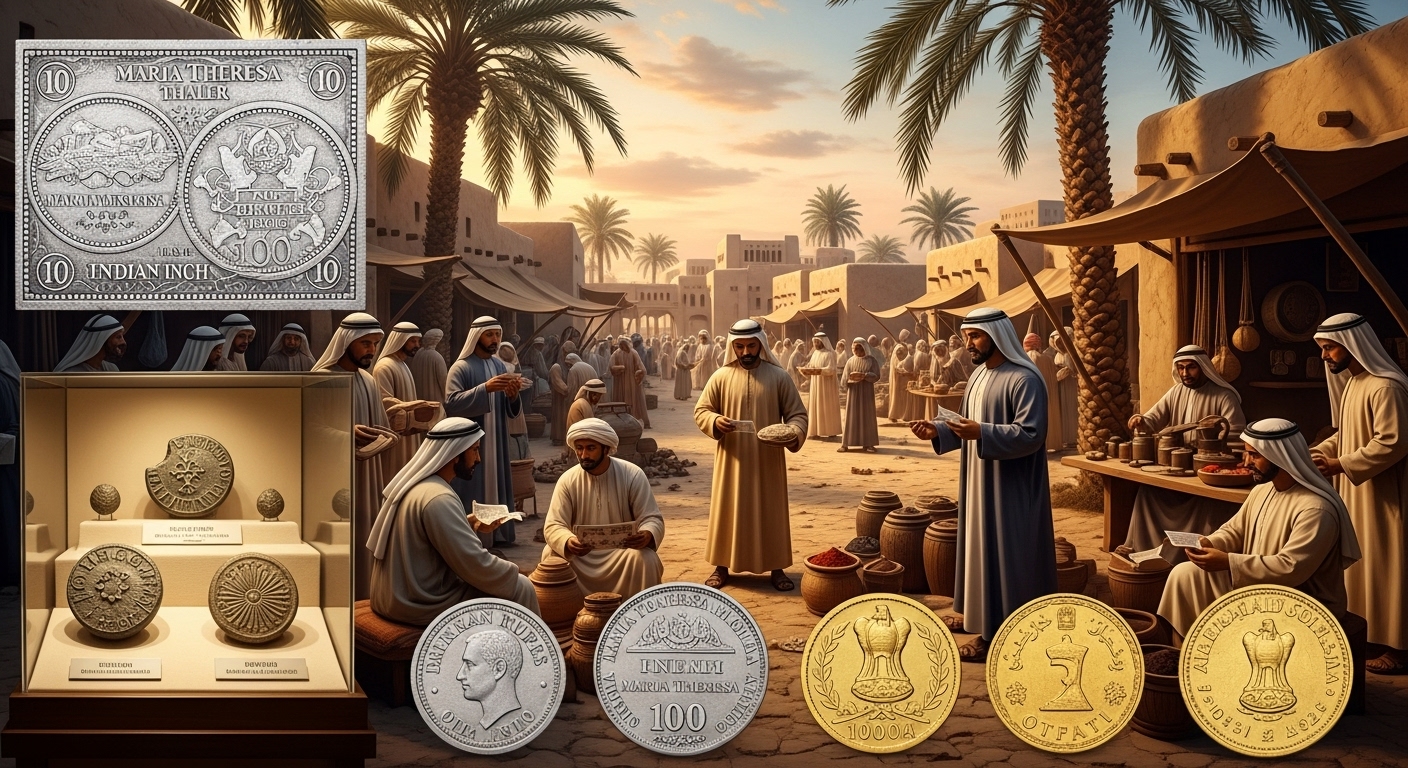
The monetary history of the region can be divided into several distinct phases. In the earliest periods, a barter economy was prevalent, especially in the interior. Dates, livestock, and essential goods were traded directly. As maritime trade flourished, the region became integrated into wider Indian Ocean economic networks. A major turning point was the introduction of the Maria Theresa Thaler (MTT), a large silver coin minted in Austria that became the de facto trade dollar for the Gulf, the Red Sea, and parts of Africa from the 18th century well into the 20th. Its consistent silver content and recognizable design made it a trusted medium of exchange for pearls, spices, and other goods. Alongside the MTT, various Indian rupees, Ottoman coins, and British gold sovereigns also circulated, their value fluctuating with trade flows and the purity of their metal.
Key Features
The monetary system before the dirham was characterized by its heterogeneity and lack of central control:
- Plurality of Currencies: There was no single legal tender. The Maria Theresa Thaler, Indian Rupees, and British gold coins circulated simultaneously, each used for different types of transactions or in different emirates.
- Intrinsic Value: Money’s worth was based on the weight and purity of its precious metal (silver or gold), not by government fiat. Coins were often weighed rather than counted, and their edges were sometimes shaved, leading to distrust.
- Regional Variations: The primary currency could differ from one emirate to another, influenced by their specific trade partners. Coastal emirates engaged in Indian Ocean trade heavily used rupees and thalers, while the interior maintained a stronger barter tradition.
- The Role of Money Changers (Sarrafs): In this complex environment, money changers were crucial figures in the souqs. They possessed the scales and expertise to assess the value of various coins, facilitating trade by converting one currency to another for a fee.
Cultural Significance
This eclectic monetary system was a direct reflection of the region’s identity as a crossroads of civilizations. The presence of an Austrian thaler, Indian rupees, and British sovereigns in a single market was a tangible demonstration of the Trucial States’ outward-looking, mercantile spirit. Money was not a symbol of a central state but a tool of commerce, its value determined by the global market and the trust of merchants. The ability to navigate this complex system was a key skill for any trader, and the sarraf was a respected, essential professional in the economic life of the community.
Modern Relevance
The chaotic pre-dirham system highlights the monumental achievement that the introduction of a unified currency represented. The challenges of that era—the lack of monetary stability, the hassle of exchange, and the absence of a symbol of national economic sovereignty—were precisely the problems the UAE Dirham was designed to solve. The Central Bank of the UAE, established in 1980, now performs the functions that were once scattered among countless money changers and foreign mints, ensuring stability and trust in the monetary system. The old system serves as a powerful reminder of why a strong, centralized financial authority is critical for a modern nation.
Conclusion
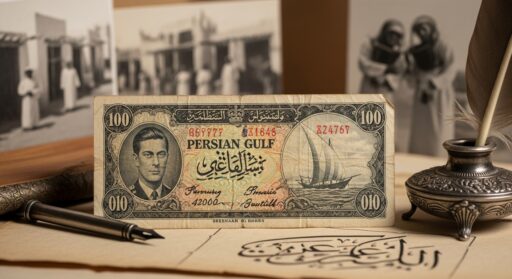
The journey “before the dirham” is a story of a region plugged into the global economy yet lacking a monetary identity of its own. The Maria Theresa Thaler and the Gulf Rupee were effective tools for their time, but they were also symbols of economic dependency. The creation of the UAE Dirham in 1973 was, therefore, much more than a financial technicality. It was a decisive act of national self-determination, replacing a Babel of foreign coins with a single, unified currency that belonged to the UAE alone. It marked the end of an era of monetary fragmentation and the beginning of a new chapter of financial sovereignty and economic cohesion.